Traveling at high speed is very essential in human life.
After many studies on travel on the Earth we inhabit, speed has been perfected.
However, we have not been able to increase the speed of travel to outer space.
The reason is that we do not have the right technology, and the necessary efforts are not being made in the right way.
My goal is to develop the right technology.
They say that traveling at the speed of light is impossible; its speed is three hundred thousand kilometers per second.
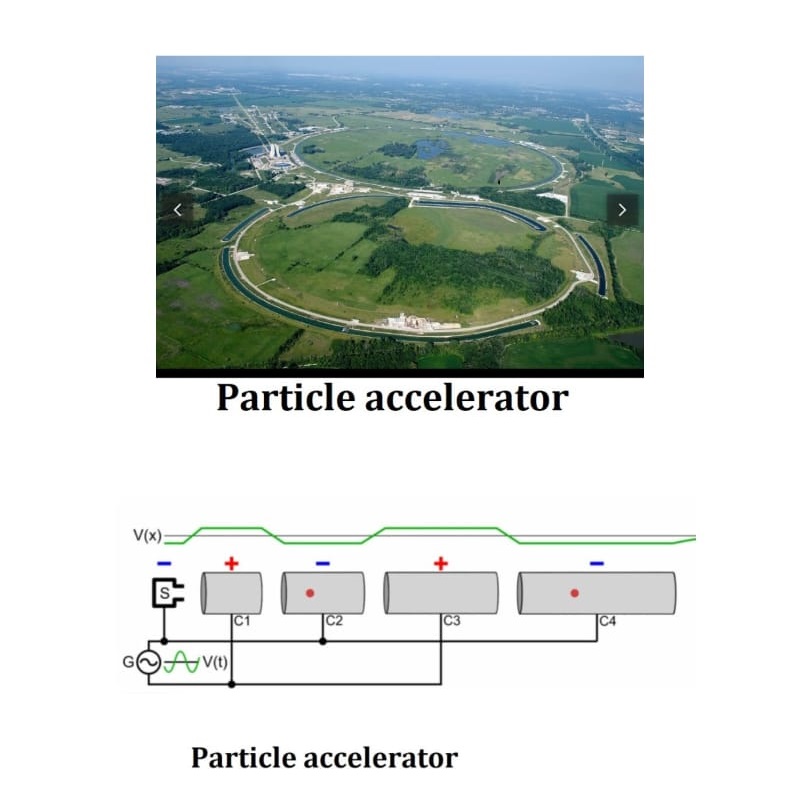
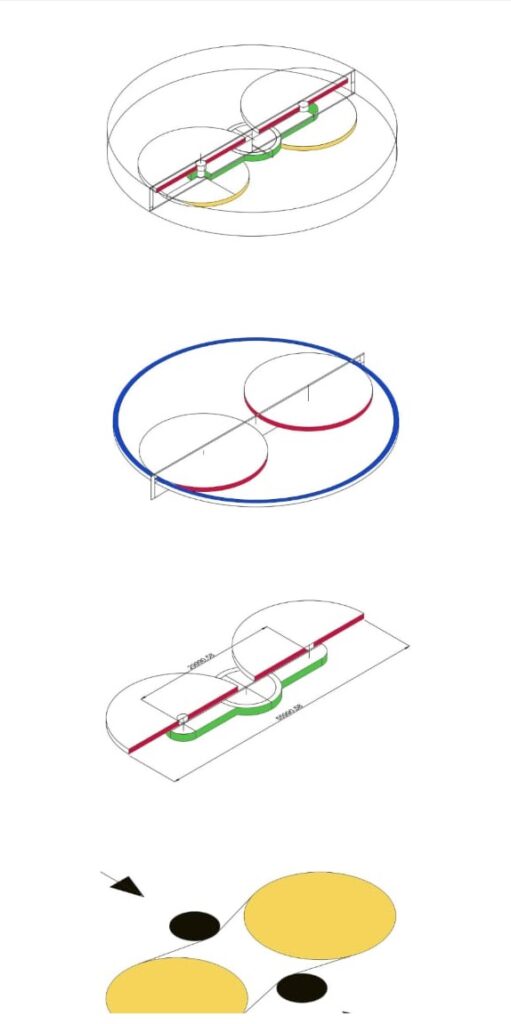
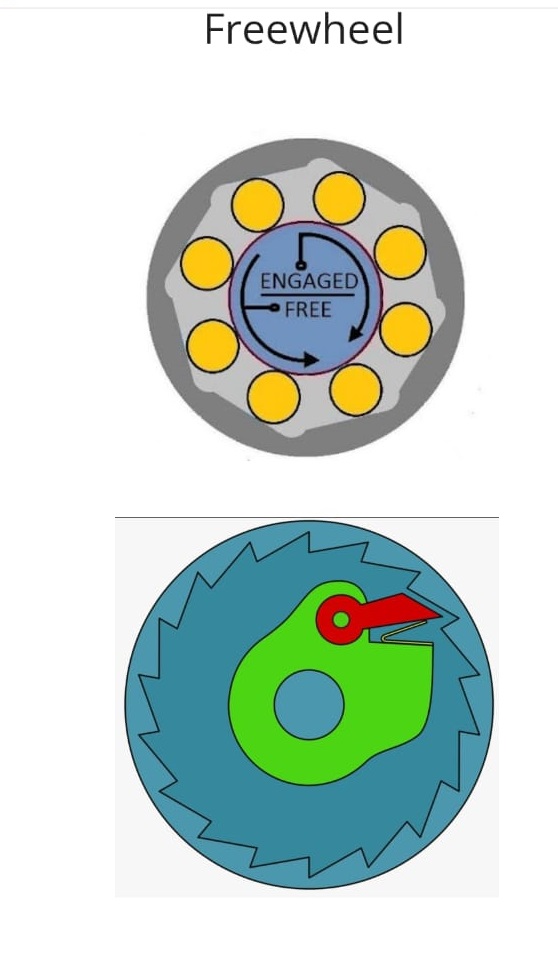
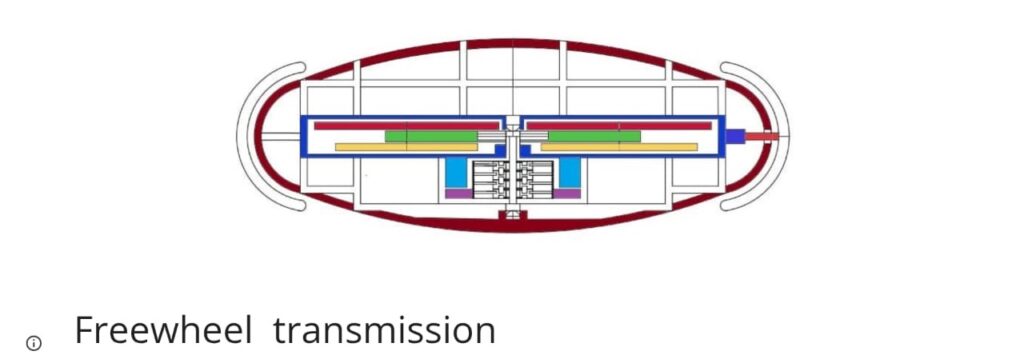
Increasing speed is a necessity for humans, and in vehicles, speed is increased through manual gears. Although manual transmissions do not generate engine power themselves, they are essential for effectively utilizing that power to increase the vehicle’s speed according to human needs and driving conditions. Here’s how it works:
Engine Limitations: Internal combustion engines produce power within a specific RPM range (e.g., 1500-6000 RPM). Some engines operate within this range.
Engines cannot effectively move a car from 0 mph to high speed using a single gear ratio:
A very high ratio would mean the engine wouldn’t have enough torque to move the car from a standstill.
Manual gears solve this: By providing multiple gear ratios, a manual transmission allows the driver to:
Maximize acceleration (lower gears)
1st/2nd gear uses a high ratio (e.g., 3.5:1). This greatly multiplies the engine torque.
The next step is the acceleration process, which uses fuel to power the rocket engine, which is powered by the thrust force.
A rocket needs a lot of fuel to lift off. Rocket engines burn fuel, creating hot, high-pressure gas that is expelled downwards through a nozzle at high speed.
The thrust reaction: This downward expulsion (action) force creates an equal upward force (reaction) called thrust, which propels the rocket upwards. The thrust must be greater than the weight (gravity) of the rocket. This is measured by the thrust-to-weight ratio (for liftoff).
This design is an alternative to currently used rockets. Rocket engines burn fuel, creating hot, high-pressure gas that is expelled downwards through a nozzle at high speed.
The thrust reaction: This downward expulsion (action) force creates an equal upward force (reaction) called thrust, which propels the rocket upwards. The thrust must be greater than the weight (gravity) of the rocket. This is measured by the thrust-to-weight ratio (for liftoff).
A working rocket needs a lot of fuel to gain altitude. Rocket engines burn fuel, creating hot, high-pressure gas that is expelled downwards through the nozzle at very high speed.
The thrust reaction: This downward expulsion (action) force creates an equal upward force (reaction) called thrust, which propels the rocket upwards. The thrust must be greater than the weight (gravitational force) of the rocket. This is measured by the thrust-to-weight ratio (for liftoff).